PVC vs WPC: Which Material Is Better for Different Applications?
If you’ve ever compared plastic profiles for construction, decoration, or furniture, you’ve probably come across two very common materials: PVC and WPC. At first glance, they may look similar, especially when used in boards, panels, or profiles. But in real-life applications, their performance can feel quite different.
In previous blogs, we talked about extrusion mould quality, raw material selection, and common extrusion defects. Now it’s time to take a step further and answer a practical question many users care about:
PVC vs WPC — which one is actually better for your specific application?
The answer depends on where and how the product is used.
What Is PVC and Why Is It So Widely Used?
PVC (Polyvinyl Chloride) is one of the most widely used plastics in extrusion production. You’ll find PVC products almost everywhere in daily life, often without noticing.
Common PVC extrusion products
-
Window and door profiles
-
Cable trunking and conduit
-
Wall panels and ceiling boards
-
PVC foam boards for signage and furniture
-
Decorative profiles
Key advantages of PVC
-
Lightweight and easy to process
-
Smooth surface finish
-
Good dimensional stability
-
Strong resistance to moisture and chemicals
-
Cost-effective for large-scale production
Because PVC flows well during extrusion, it works very smoothly with high-precision extrusion moulds. This makes it ideal for applications that require clean edges, accurate dimensions, and consistent appearance.
For indoor use or areas with controlled environments, PVC is often the first choice.
What Is WPC and Why Is It Growing So Fast?
WPC (Wood Plastic Composite) is a material made by combining plastic (usually PVC or PE) with wood powder or plant fibers. The result is a composite material that looks more natural while keeping plastic’s durability.
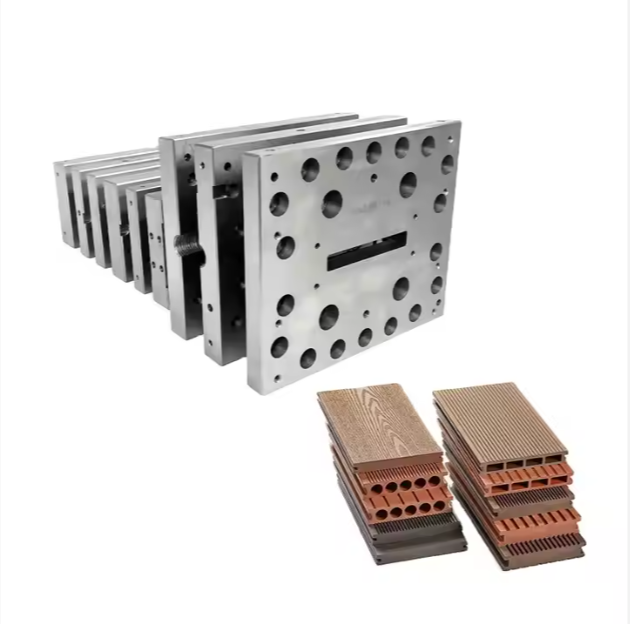
Common WPC extrusion products
-
Outdoor decking
-
Wall cladding
-
Fence panels
-
Pergolas and garden profiles
-
Decorative architectural elements
Key advantages of WPC
-
Natural wood-like appearance
-
Better resistance to deformation than pure wood
-
Suitable for outdoor environments
-
More environmentally friendly image
-
Comfortable surface feel
WPC products are especially popular in outdoor and semi-outdoor applications where appearance and durability are both important.
PVC vs WPC: A Practical Comparison
Let’s break it down in a way that’s easier to understand.
1. Appearance and Texture
-
PVC: Smooth, clean, uniform surface; more “industrial” look
-
WPC: Natural texture; closer to wood; warmer visual effect
If appearance matters more than precision, WPC often feels more appealing.
2. Strength and Durability
-
PVC: Excellent impact resistance and stable structure
-
WPC: Good structural strength but slightly heavier
PVC profiles perform very well in long-term indoor use. WPC performs better in outdoor environments with changing temperatures.
3. Water and Weather Resistance
-
PVC: Excellent water resistance; does not absorb moisture
-
WPC: Resistant to water, but wood content still needs proper formulation
This is where raw material quality and extrusion mould design become critical. Poor material control can lead to swelling or internal defects, especially in WPC.
4. Processing and Extrusion Difficulty
-
PVC: Easier to extrude; more forgiving during processing
-
WPC: Requires stricter temperature control and mould design
As discussed in earlier blogs, WPC extrusion is more sensitive to defects like bubbles, uneven flow, or surface roughness. That’s why a well-designed extrusion mould is essential.
5. Cost and Maintenance
-
PVC: Lower material and production cost
-
WPC: Slightly higher cost, but lower maintenance in outdoor use
Over time, WPC may save maintenance costs in outdoor environments, while PVC remains more economical for indoor applications.
Which Material Is Better for Different Applications?
Here’s a simple guide:
Choose PVC if you need
-
Indoor wall panels or ceiling boards
-
Furniture boards and cabinets
-
Electrical or decorative profiles
-
Lightweight and precise products
PVC is stable, consistent, and works extremely well with high-precision extrusion moulds.
Choose WPC if you need
-
Outdoor decking and fencing
-
Garden or landscape structures
-
Exterior wall cladding
-
Products exposed to weather
WPC offers better aesthetics and outdoor durability when processed correctly.
How Extrusion Moulds Affect Both PVC and WPC Products
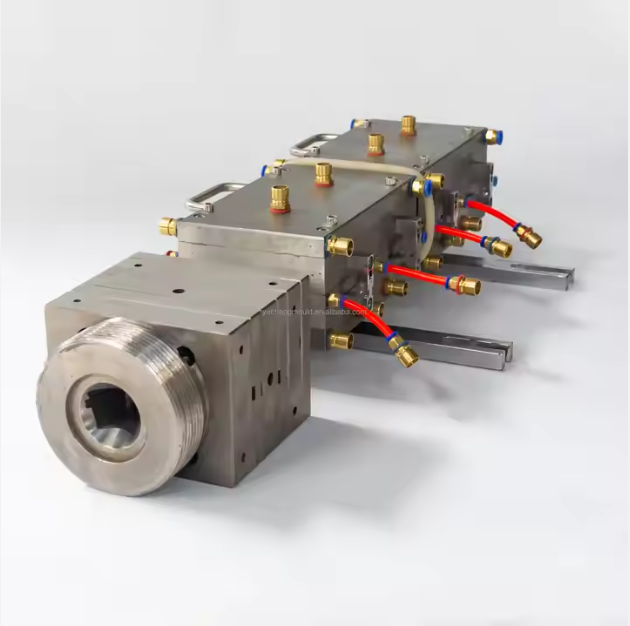
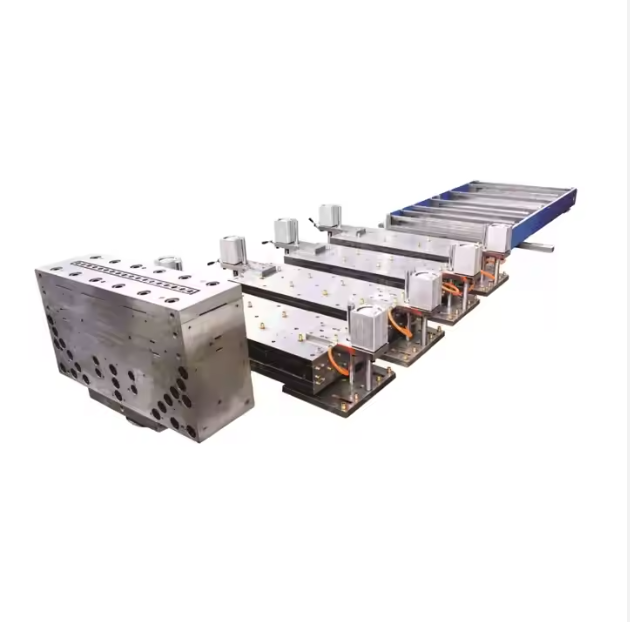
No matter which material you choose, extrusion mould quality plays a key role. A good mould ensures:
-
Balanced material flow
-
Uniform wall thickness
-
Stable surface quality
-
Reduced extrusion defects
For WPC especially, mould design directly impacts product appearance and internal structure. This is why experienced mould manufacturers focus heavily on flow channel design and material compatibility.
Conclusion
PVC and WPC are both excellent materials — but for different reasons. PVC is practical, precise, and cost-effective for indoor and industrial use. WPC brings a natural look and outdoor durability that many modern projects require.
Understanding their differences helps manufacturers and end users make smarter decisions, reduce production issues, and achieve better final products.
Choosing the right material is not just about cost; it’s about matching material performance with real-world usage scenarios.