5 Common Plastic Extrusion Defects and How to Prevent Them
In plastic extrusion production, product defects are something almost every manufacturer has experienced at some point. From uneven surfaces to dimensional instability, these issues not only affect appearance but also lead to material waste, rework, and higher production costs.
As we mentioned in earlier blogs, extrusion quality depends on multiple factors working together—raw materials, extrusion mould design, extrusion line stability, and process control. If one part goes wrong, defects can appear very quickly.
Below are five of the most common plastic extrusion defects, why they happen, and how to prevent them in daily production.
1. Uneven Surface or Flow Marks
Uneven surfaces, streaks, or flow marks are among the most visible extrusion defects. They often appear as lines, waves, or inconsistent textures along the profile.
Why it happens
-
Poor-quality or inconsistent plastic raw materials
-
Unstable extrusion temperature
-
Improper die flow balance inside the extrusion mould
-
Moisture in the raw material
How to prevent it
-
Use stable, well-mixed raw materials suitable for extrusion
-
Dry materials properly before processing
-
Optimize temperature zones on the extrusion line
-
Choose a well-designed extrusion mould with balanced flow channels
A good mould design really makes a difference here, even if people don’t notice it at first.
2. Dimensional Inaccuracy
Profiles that are too wide, too thin, or inconsistent in size can cause installation problems later. This issue is especially critical for PVC and WPC profiles used in construction.
Why it happens
-
Inconsistent melt pressure
-
Poor calibration or cooling control
-
Worn or poorly machined extrusion mould
-
Incorrect extrusion speed
How to prevent it
-
Maintain stable extrusion pressure and speed
-
Ensure proper cooling and calibration systems
-
Regularly inspect mould dimensions and wear conditions
-
Match the extrusion mould design to the final product application
Sometimes the product looks fine at first glance, but the尺寸 is not right — and that’s when problems show up during assembly.
3. Bubbles or Internal Voids
Bubbles inside extrusion products are common in foam boards, WPC profiles, and thick plastic sections. These defects reduce strength and durability.
Why it happens
-
Moisture trapped in raw materials
-
Improper foaming agent ratio
-
Insufficient degassing
-
Incorrect processing temperature
How to prevent it
-
Fully dry plastic raw materials before extrusion
-
Control foaming formulation carefully
-
Optimize venting and degassing systems
-
Keep extrusion temperature within the recommended range
This defect often comes from small details being ignored, which is very easy to do in busy production environments.
4. Warping or Bending After Cooling
Warping usually appears after the product leaves the die and starts cooling. It affects both appearance and usability.
Why it happens
-
Uneven cooling
-
Internal stress caused by rapid temperature changes
-
Incorrect profile wall thickness design
-
Poor mould structure
How to prevent it
-
Design uniform wall thickness in extrusion moulds
-
Ensure balanced cooling on all sides of the profile
-
Adjust cooling speed gradually, not too fast
-
Improve mould precision and internal stress control
As we discussed in previous blogs, cooling plays a bigger role than many people expect.
5. Burn Marks or Material Degradation
Burn marks or discoloration usually appear as dark spots or yellowing on PVC or other plastic profiles.
Why it happens
-
Overheating of plastic melt
-
Excessive residence time in the barrel
-
Poor material quality
-
Incorrect screw and mould matching
How to prevent it
-
Lower processing temperatures where possible
-
Improve material flow efficiency
-
Use high-quality raw materials suitable for extrusion
-
Match extrusion mould design with screw structure
If this issue keeps repeating, it’s often a sign that the whole system needs adjustment, not just one parameter.
How These Defects Connect to Mould Quality
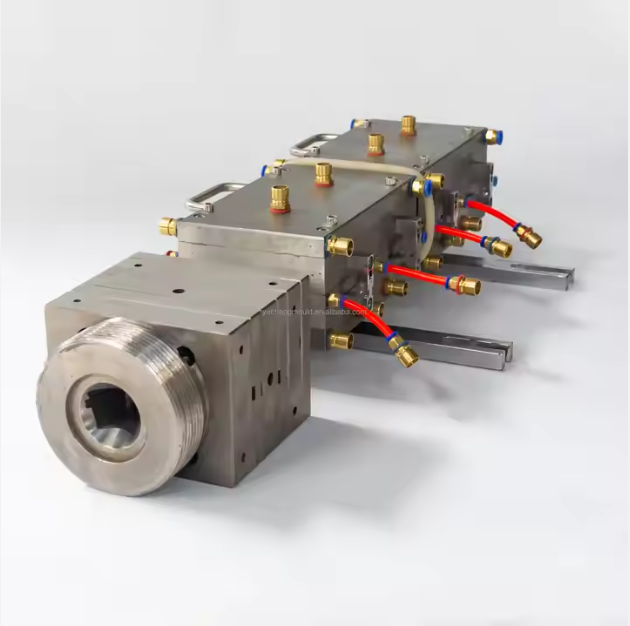
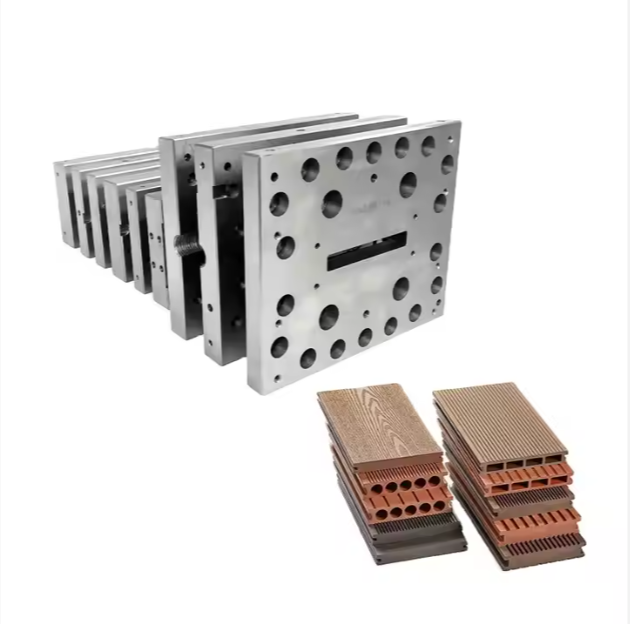
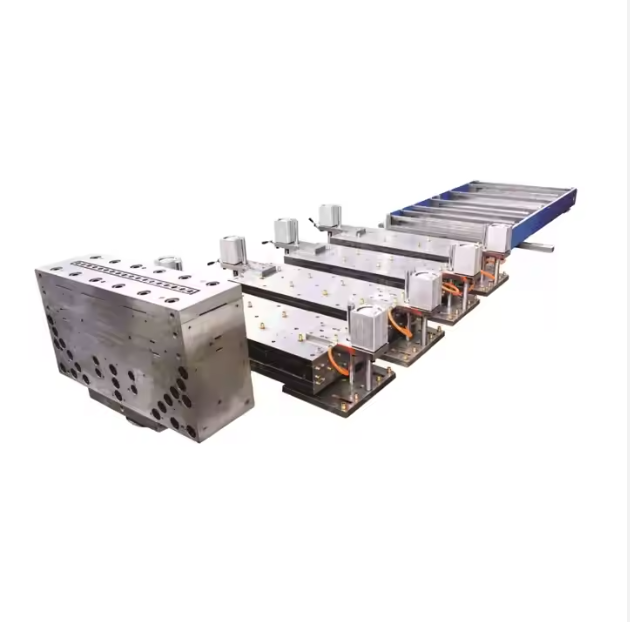
Across all these defects, one thing becomes very clear: extrusion mould quality plays a central role. A precise mould ensures:
-
Balanced material flow
-
Stable pressure distribution
-
Consistent product dimensions
-
Better surface finish
This is why experienced manufacturers invest in well-designed, high-precision extrusion moulds rather than constantly fixing problems during production.
Plastic extrusion defects are not random. Most of them are caused by controllable factors such as raw materials, mould design, extrusion parameters, and cooling methods. By understanding these common problems and addressing them early, manufacturers can significantly improve product consistency and reduce production losses.
When raw materials, extrusion moulds, and extrusion lines work together properly, stable and high-quality extrusion becomes much easier to achieve.