What Problems Can a Poor-Quality Extrusion Mould Cause During Production?
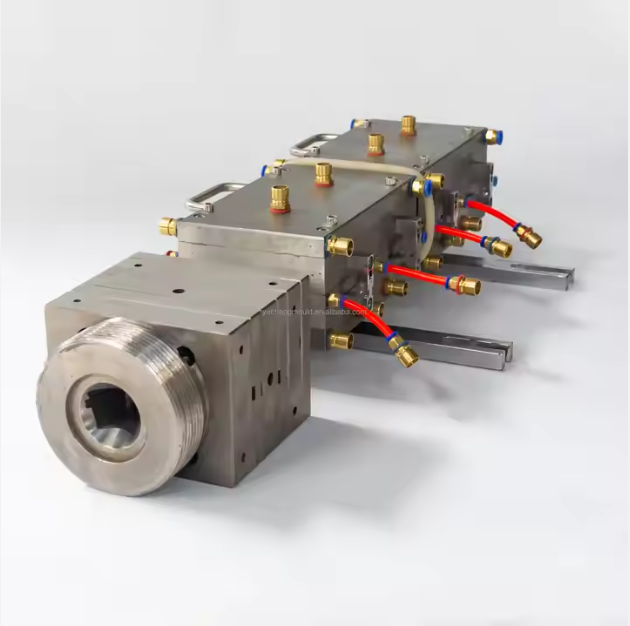
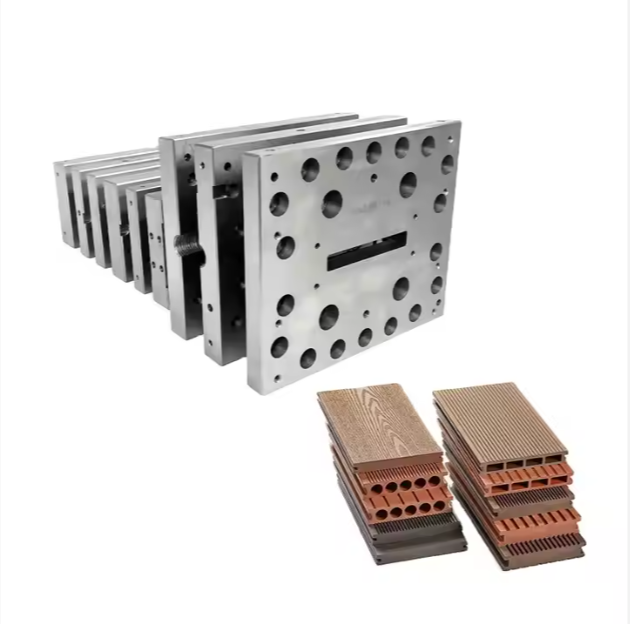
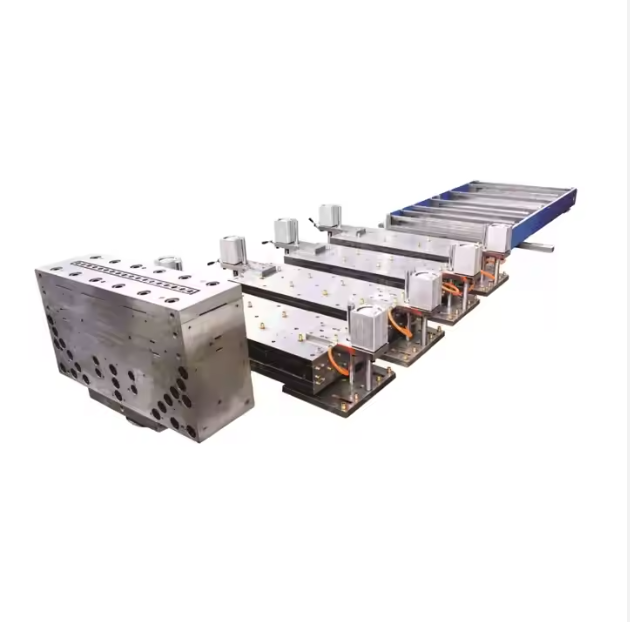
Extrusion moulds shape many of the products we rely on every day—PVC window profiles, WPC decking boards, foam plates, edge trims, and more. But when the mould itself is poorly designed or poorly manufactured, production becomes more challenging than most people expect. In our previous articles, we explored what makes a high-quality mould; now, let’s look at the opposite side: the real problems that a low-quality extrusion mould can bring.
Understanding these issues helps manufacturers avoid unnecessary downtime, higher costs, and inconsistent product output.
1. Uneven Material Flow and Surface Defects
One of the earliest signs of a poor extrusion mould is uneven material distribution. When the flow channel design is incorrect or unbalanced, molten plastic does not spread evenly through the mould.
This often leads to:
-
Surface roughness
-
Waves or ripples
-
Visible streaking
-
Dimensional inconsistencies
Sometimes users describe the result as “the product just looks off,” even if they can’t pinpoint the exact issue. This is a direct reflection of mould design flaws.
2. Warping or Deformation After Cooling
A poorly designed mould or improper cooling structure can cause the product to warp during or after cooling. This problem:
-
Wastes materials
-
Reduces usable product length
-
Requires re-adjustments during production
-
Adds extra trimming or correction during downstream processing
In industries such as construction or interior decoration, even slight deformation is unacceptable because it affects fitting accuracy. This is why high-precision cooling design—used in Junhui Mould’s extrusion dies—plays such a crucial role.
3. Frequent Production Interruptions
A low-quality mould often causes unpredictable fluctuations during production. For example:
-
Pressure jumps
-
Material leakage
-
Blockages inside the flow channel
-
Inconsistent extrusion speed
These interruptions slow down the entire extrusion line and force operators to stop production repeatedly. Over time, this increases labor costs and reduces overall output.
4. Higher Scrap Rate and Increased Material Loss
When mould performance is unstable, the extrusion line produces more defective products. This results in:
-
Higher scrap rate
-
Increased raw material usage
-
More time spent adjusting machine settings
-
Lower production efficiency
For high-volume applications such as PVC profiles or WPC boards, even a small rise in scrap rate significantly increases production costs. That’s why a reliable mould is not just a technical preference—it’s an economic advantage.
5. Premature Wear and Shorter Service Life
Poor mould steel, low-precision machining, or inadequate heat treatment all lead to faster mould wear. A worn mould causes:
-
Product size variation
-
Surface scratches
-
Uneven thickness
-
Frequent maintenance requirements
In the long run, this means higher operating costs and more production downtime. High-quality moulds, by contrast, deliver years of stable output with minimal intervention.
6. Difficulty Maintaining Consistent Product Quality
Consistency is one of the biggest challenges in extrusion production. A poor-quality mould makes it almost impossible to maintain:
-
Stable dimensions
-
Smooth surfaces
-
Uniform density
-
Color consistency
Even minor deviations become highly visible in products like window profiles or decorative wall panels. Manufacturers often report that they “keep adjusting, but it still won’t run right”—a clear sign that the mould is the root cause.
7. Increased Burden on Operators and Machinery
When a mould performs poorly, operators must constantly compensate by adjusting:
-
Temperature
-
Extrusion speed
-
Pulling force
-
Material formulation
This increases stress not only on the staff but also on the entire extrusion line. Long-term imbalance can even shorten the lifespan of downstream equipment.